Garden Clearance in Elephant and Castle
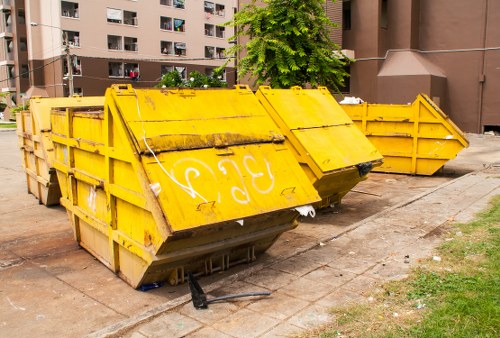
Garden clearance in Elephant and Castle helps households, landlords and property managers deal with overgrown outdoor spaces, scattered green waste and unwanted items that no longer belong in a usable garden. Our service is designed to clear the space methodically, with attention to access, sorting and disposal, so the work supports the next stage of the garden rather than simply moving material out of the way. Whether the task involves a small courtyard, a shared rear garden or a larger private plot, the aim is a tidy finish and a practical result.
We handle routine clearance work for seasonal cut-backs, one-off tidy-ups and more substantial garden waste removal where brash, soil, old pots, broken planters or damaged outdoor furnishings have built up over time. The work can be planned around the condition of the site, the type of material present and the route out of the property, which is especially useful when access is narrow or when the garden sits behind the main building. Clearance is most effective when the right materials are separated at source, and we approach that sorting in a straightforward, orderly way.
If you need garden clearance in Elephant and Castle, tell us what needs removing and what should stay. A clear brief helps shape the work, and a quotation can then reflect the type and volume of material involved. You can also mention access details early if the garden is reached through a house, a shared passage or another confined route. For straightforward requests, a short description is often enough to begin.
Garden waste removal and green material sorting
Garden waste removal is often the first part of a clearance, but it is not the whole job. A sensible approach separates organic waste from non-organic items so that cuttings, branches, turf, weeds and leaf litter are handled with the right disposal route, while non-plant items are assessed separately. That distinction matters because a garden can contain a mixture of materials gathered across several seasons, and the work should be planned accordingly rather than treated as a single bagging exercise.
Our garden clearance service can cover the removal of hedge trimmings, shrub cuttings, broken fence offcuts, old compost sacks, spent bedding plants and other waste left behind after maintenance or refurbishment. Where appropriate, we also remove items such as cracked pots, damaged trellis, worn-out ornaments and other light outdoor debris that no longer serve the space. If you are preparing for replanting or a design change, the point is to leave the area ready for the next decision rather than to over-handle material that could be reused on site.
Useful garden tasks often include:
- collection of branches, clippings and general green waste
- removal of old pots, planters and lightweight outdoor items
- sorting of mixed garden debris into sensible disposal streams
- clearance of materials left after pruning, digging or replanting
What a careful garden clearance can include
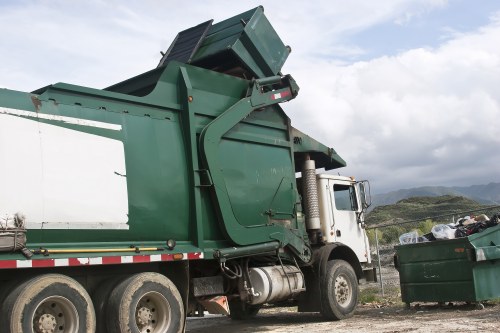
A thorough clearance should be shaped by the property, not by a fixed assumption about what every garden needs. Some spaces only need surface-level attention, while others require deeper clearing around beds, edges, sheds or paved areas. In practical terms, that may mean lifting loose waste, gathering hidden debris from corners and checking whether bulky items need to be dismantled before they can be taken away safely. The more varied the site, the more useful it is to work in stages.
We can also deal with outdoor items that are no longer fit for regular use, such as rotting timber, broken garden seating, damaged storage boxes or collapsed plant supports. If there are heavier pieces in the garden, these need to be considered alongside the available route and handling requirements, because a clearance is only as smooth as the planning behind it. Good clearance work reduces the chance of repeated trips, missed material and unnecessary disruption.
When requesting a quotation, it helps to note whether the space contains only green waste or a mixture of garden and general rubbish. That simple detail affects the approach, because a mixed load can involve more sorting and different disposal decisions. A short note about gates, steps or side access is also useful, especially if the garden cannot be reached directly from the street. Please share the basics clearly so we can quote in a way that suits the job.
Clearance for front gardens, rear gardens and shared spaces
Different garden layouts call for different methods. Front gardens often have easy visibility but limited storage space, while rear gardens may be more secluded and require attention to access routes through the property. Shared spaces can need extra care so that adjoining residents, paths and planted areas are respected during the work. Our service is set up to accommodate those differences rather than forcing every site into the same pattern.
In some gardens, the main issue is the accumulation of lightweight waste after regular upkeep. In others, the priority is opening up an overgrown area so that borders, paving or lawn edges can be seen and worked on again. Clearance is not the same as landscaping, but it can create the conditions needed for later improvement. That makes the work valuable even when the garden is not being redesigned immediately, because it restores access and removes clutter that prevents sensible use of the space.
Where there is a mix of items, the most efficient approach is usually to separate reusable material, compostable waste and general rubbish before removal begins. That is easier when the customer has already decided what should remain on site. If you are ready to move ahead, a brief enquiry is enough to start the quotation process. For larger or more mixed clearances, a few practical notes will help us match the service to the space.
Supporting tidier outdoor spaces before planting or upkeep
Many garden clearances are carried out before routine maintenance, seasonal planting or simple improvements. Clearing first makes it easier to see the actual structure of the garden, including edging, borders, hardstanding and any features that may be hidden by weeds or loose material. That can help with later choices about pruning, repairing, replanting or redesigning, because the space is easier to assess once the unwanted items have been removed.
Our work can be useful after periods of neglect, tenancy changes or household decluttering, especially where outdoor storage has overflowed into the garden. Items left outdoors can become weathered and awkward to handle, so it often makes sense to remove them alongside the green waste in one organised visit. That saves repeated handling and helps the customer regain a usable outdoor area sooner, while keeping the process orderly from start to finish.
If you are comparing options, think about whether the job is mainly a green waste clearance, a mixed garden rubbish removal or a full tidy-up of the entire outside area. Those distinctions influence the quotation and the time needed on site. A short list of what remains in place, what is going and whether any items may need dismantling will make the next step simpler. Clear instructions lead to a clearer quote.
Preparing access and building a clear quotation
Access is one of the most important practical factors in garden clearance. A narrow side passage, internal route through the property or stepped access can affect how material is carried and how much time is needed. The best quotations are based on realistic conditions, so it helps to mention these details when you first enquire. That does not need to be a long explanation; a simple note about gates, steps, parking considerations or whether items are stacked is usually enough.
It is also useful to say whether the garden contains only waste that can be collected immediately or whether items are buried, tangled or spread through an overgrown area. Those differences change the level of sorting and gathering involved. In many cases, customers want the area left as neat as possible once clearance is complete, but the exact finish depends on the condition of the space and the scope agreed in advance. Being specific at the outset keeps the process efficient.
If you are looking for garden clearance in Elephant and Castle, you can start with a plain description of the space and the items involved. We will then work out the next practical step. For straightforward jobs, a concise quotation request is often sufficient; for more complex gardens, a few extra details help avoid assumptions and keep the plan realistic.
Recycling, disposal and keeping the job orderly
Garden clearance is not just about lifting material away. It also involves making sensible disposal decisions based on what has been collected. Organic material, broken outdoor items and mixed rubbish may need to be separated before the work is complete. That is one reason why careful sorting on site matters: it supports cleaner handling and makes the overall process more controlled, especially when the garden contains both green waste and non-garden objects.
Where possible, we work in a way that keeps the site tidy during the clearance, not only at the end. That may mean collecting loose items before moving larger material, keeping walkways clear and checking corners or beds where debris tends to gather. A garden often looks more manageable once the obvious waste has gone, but the final result depends on how well the smaller details have been handled. Orderly removal creates a better finish than hurried lifting.
For customers, the main decision is usually how far the clearance should go. Some want the obvious waste removed and the garden made presentable; others want a more complete clear-out that leaves only the remaining features and structures. Neither approach is automatically better, but each requires a quotation based on the actual contents of the garden. If you are unsure, a brief discussion of the likely scope will help narrow it down.
About Elephant and Castle
Elephant and Castle is a district in south London that sits within the London Borough of Southwark, close to the boundary with the City of London and the West End. It takes its name from a former coaching inn, and over time the area became a busy junction centred on key transport routes. Today it is known for its dense urban character, with a mix of long-established residential streets, post-war developments and newer commercial buildings standing alongside major road corridors. The area has also been shaped by repeated redevelopment, which has altered its streetscape while leaving traces of earlier periods in the form of surviving buildings and street patterns. One of the best-known local landmarks is the Elephant & Castle shopping centre site, which has been the focus of major change, while nearby streets still connect the district to other parts of central and south London. Green space in and around the area includes smaller local squares and parks rather than large open landscapes, and the urban setting gives the district a busy, layered feel. The area’s public transport links, including Underground and rail connections, have long contributed to its role as a crossing point and meeting place. Cultural life is varied, with independent food, arts and community activity reflecting the population’s changing character over time. As a place, Elephant and Castle combines movement, density and ongoing change, with architecture and infrastructure that show both older London patterns and more recent development.
Household garden work and mixed outdoor items
Not every garden clearance is solely about plant material. Household gardens often contain mixed items gathered from everyday use, including toys, broken storage, old outdoor furnishings and items that have been left outside long enough to become weathered. Our service can deal with that broader mix when the intention is to restore the space to a clean and usable condition. The main thing is to know which objects are staying and which are being removed.
For many customers, the garden forms part of a wider home clear-out or change of use. In those cases, it helps to think about the outside area in the same careful way as an indoor room: what should be retained, what is no longer needed and what requires special handling because it is large, awkward or brittle. That mindset keeps the clearance focused and avoids unnecessary disturbance to the rest of the property. It also helps when there are delicate borders or fixtures close to the area being cleared.
We can discuss straightforward jobs, larger overgrown clearances and mixed waste in one quotation. If the garden includes both organic matter and domestic rubbish, say so from the outset. It is better to describe the contents plainly than to hope they will fit a different category later. A transparent enquiry gives the clearest starting point and makes the resulting plan more reliable.
When a garden needs more than a quick tidy
Some clearances begin as a simple tidy-up and turn into a fuller reclaiming of the space once the extent of the waste is visible. That may happen where weeds, brash, old containers and broken items have built up in layers, or where a garden has not been used regularly for some time. In those situations, the work needs to be paced sensibly so the removal process remains safe and manageable. A rushed approach can leave hidden waste behind or create avoidable handling issues.
Our garden clearance service is suited to situations where the outdoor area needs practical attention rather than cosmetic treatment alone. Clearing away what no longer belongs in the garden makes it easier to inspect paths, beds, walls and stored items, and that can support later repairs or improvements. Once the clutter is gone, the remaining space is easier to judge properly, which is often the first step toward making better use of it again.
For a quotation, the most helpful details are usually the type of material, the approximate amount and whether access is straightforward or restricted. If you can also say whether the task is a simple collection or a more involved clearance of overgrowth and mixed waste, that will improve the estimate. Please send the essentials first, and more detail only where it genuinely changes the job.
Getting started with a quote for your garden clearance
Requesting a quotation is easiest when the job is described in practical terms. Tell us whether you need green waste removed, whether the garden includes general rubbish, and whether there are bulky items that may need handling separately. If the space is tightly enclosed, overgrown or awkwardly accessed, mention that too. Those points matter because they change how the clearance is approached and how long it is likely to take.
We keep the process simple: you explain the space, the material and the access, and we use that information to shape the quotation around the actual work involved. If you are unsure how much detail to include, a short list is fine. The main aim is to avoid guesswork. For customers in Elephant and Castle, that means a clearer path from first enquiry to agreed work, without unnecessary back-and-forth.
If you would like to arrange garden clearance in Elephant and Castle, contact us for a quotation. If you are still comparing what is involved, you can view pricing and quotes information first, then decide when you are ready to go ahead. Either way, a concise enquiry is enough to begin.