Elephant Park bulky rubbish collection and skip options
If you live, work, or manage property around Elephant Park, bulky rubbish has a way of turning up at the worst possible moment. A flat refresh leaves an old sofa in the hallway. A garage clear-out uncovers broken shelves, chipped wardrobes, and a mystery pile of "I'll deal with that later." And if you are mid-renovation, the mess can spread fast. That is where Elephant Park bulky rubbish collection and skip options become genuinely useful: they give you a clean, practical way to remove large waste without letting it take over the space.
This guide breaks down how bulky waste collection works, when a skip makes more sense, and what to think about before you book anything. We will also cover compliance, common mistakes, and the little decision points that save time and money. Truth be told, most people do not need more theory here - they need a clear plan.
Table of Contents
- Why Elephant Park bulky rubbish collection and skip options Matters
- How Elephant Park bulky rubbish collection and skip options Works
- Key Benefits and Practical Advantages
- Who This Is For and When It Makes Sense
- Step-by-Step Guidance
- Expert Tips for Better Results
- Common Mistakes to Avoid
- Tools, Resources and Recommendations
- Law, Compliance, Standards, or Best Practice
- Options, Methods, or Comparison Table
- Case Study or Real-World Example
- Practical Checklist
- Conclusion
- Frequently Asked Questions
Why Elephant Park bulky rubbish collection and skip options Matters
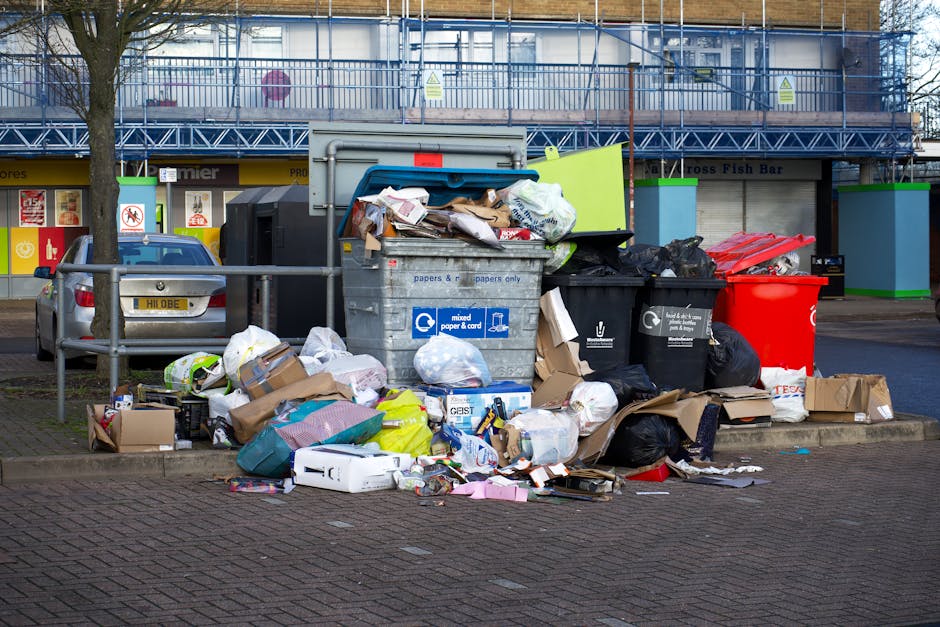
Bulky waste is different from everyday bin rubbish. It is awkward, heavy, often dusty, and sometimes impossible to break down without tools. A mattress does not fold neatly. A wardrobe does not disappear into a wheelie bin. Builder's rubble certainly does not pretend to be harmless. In a dense area like Elephant Park, that matters because space is tight, access can be fiddly, and one badly planned clearance can block a hallway, clog a shared courtyard, or create frustration for neighbours.
Choosing the right approach also protects you from doing more work than needed. For some jobs, a same-day bulky rubbish collection is quicker and cleaner. For others, a skip is more efficient because you can load at your own pace over a few days. The trick is matching the method to the mess, not the other way round.
There is also a trust angle. A proper waste service should give you clarity about what can be taken, how it will be handled, and whether items will be reused, recycled, or disposed of responsibly. If a provider also offers wider services such as general waste removal, furniture disposal, or house clearance, it can make the whole process easier to coordinate. That kind of joined-up approach often saves a second visit. And nobody wants a second visit if they can avoid it.
Practical takeaway: bulky waste collection is best when you want speed and labour included; a skip is often better when you have ongoing waste, heavier materials, or a project that runs over several days.
How Elephant Park bulky rubbish collection and skip options Works
In simple terms, bulky rubbish collection means a team comes to remove large items directly from your property or agreed access point. A skip option means a container is delivered, you fill it, and it is collected later. Both solve the same problem, but they work very differently on the ground.
A collection service is usually more hands-off for you. You point out the items, the team lifts and loads them, and the waste is taken away. This suits heavy furniture, mixed household clutter, white goods, or a small office clear-out. It is especially helpful if stairs, narrow entrances, or limited parking make self-loading awkward.
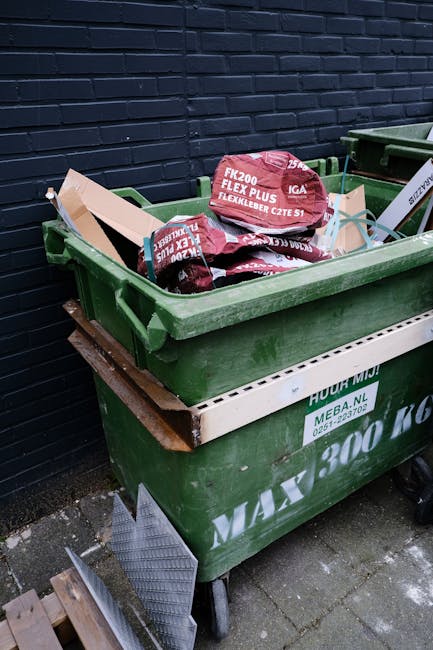
A skip gives you flexibility. You can sort as you go, make several passes through a flat, or keep adding rubble and packaging during a renovation. It is a good fit for builders' waste, garden jobs, attic decluttering, or anything that builds up over time. If your project sits somewhere between a full home clear-out and a building job, browsing the options on builders waste clearance, garden clearance, or loft clearance can help you decide which route fits best.
Usually the process starts with a description of the waste, then a quote or estimate, then a booking window. Depending on the provider, you may need to separate certain materials in advance. For example, furniture, green waste, and hardcore may be handled differently from general mixed rubbish. Nothing exotic there - just the normal realities of waste handling in a city where access and recycling rules matter.
Key Benefits and Practical Advantages
The biggest advantage is obvious: you get rid of clutter. But the real value is what that does for the rest of your day. A cleared hallway means easier movement. A cleared flat means less stress. A cleared site means work can actually progress. It sounds small, but the difference is noticeable the moment the bulky items are gone.
- Less physical strain: the lifting, loading, and carrying is handled for you.
- Better use of time: no repeat runs to a disposal site, no borrowing vans, no searching for mates with free Saturdays.
- Cleaner space: once bulky items are removed, rooms feel bigger and more usable straight away.
- Flexible planning: skip hire can suit staged clearances, while collection works well for quick turnarounds.
- Improved sorting and recycling: items can be separated more effectively when the service is set up properly.
There is also a less glamorous but very real benefit: it reduces the risk of clutter becoming a safety issue. Old furniture stacked in a passageway, broken boards left near a doorway, or a pile of mixed waste in a shared area can all become awkward fast. In a busy development like Elephant Park, where people come and go all day, tidy waste management is not a luxury. It is common sense.
And for businesses, the benefits are even clearer. Offices, shops, and managed buildings often need discreet, reliable collection that does not interrupt customers or staff. If that is your situation, it may be worth looking at office clearance or business waste removal alongside bulky item collection. One call, less faff.
Who This Is For and When It Makes Sense
This service is for anyone dealing with large, awkward, or high-volume waste in the Elephant Park area. That includes tenants, homeowners, landlords, letting agents, builders, shop managers, and office teams. If the waste is too heavy for standard bins or too much for a normal car boot, you are in the right territory.
It makes sense in a few common situations:
- you are replacing furniture after a move or refurbishment;
- you need to clear a flat before tenants move in or out;
- you are managing a post-renovation clean-up;
- you have garden waste, old timber, or shed materials to remove;
- you need a quick clear-up before a sale, inspection, or handover;
- you want to clear a loft, garage, or storage room without doing multiple journeys.
If your project is more about a single sofa, mattress, or a couple of awkward items, collection is usually the neatest answer. If you are stripping a room, clearing multiple floors, or generating waste across several days, a skip may be better value. That is the honest version. Not every job deserves a skip, and not every job deserves a full crew either.
One quick thought: if your bulky waste includes mixed items, it is worth checking whether a furniture-focused service such as furniture clearance would be more efficient than a broader rubbish collection. Sometimes the narrower solution is the smarter one.
Step-by-Step Guidance
Here is a straightforward way to plan it.
- Walk through the space. Make a simple list of what needs to go. Use rough categories: furniture, rubble, green waste, packaging, mixed junk, electrical items.
- Check access. Think about stairwells, lifts, parking, narrow gates, loading bays, and whether items need to be carried through shared areas.
- Estimate volume. Don't obsess over perfection. A rough count of bags, chairs, cabinets, or room space is often enough to steer you toward the right option.
- Decide between collection and skip hire. If you want the waste taken away immediately, choose collection. If you want to load gradually, choose a skip.
- Ask what can and cannot go. Some materials need special handling. Batteries, paints, gas cylinders, fridges, and certain electrical items often require separate arrangements.
- Book a realistic time slot. Give yourself a bit of breathing room. Monday morning with no buffer is how people end up stressed and muttering into tea cups.
- Prepare the items. Separate anything reusable, remove personal belongings, and keep pathways clear where possible.
- Confirm payment and paperwork. Check what is included, how access will work, and whether you will receive proof of service or waste transfer details if needed.
If you are clearing a property in stages, it can be helpful to combine services. A flat clearance may uncover old furniture, then a final waste collection tidies the remaining pieces. That is often simpler than trying to solve every problem with one oversized booking.
Expert Tips for Better Results
In our experience, the smoothest jobs are the ones where the customer does a little bit of sorting before the team arrives. Not a full audit, just enough to stop obvious confusion on the day. You would be surprised how much time this saves.
- Separate reusable items early. If something is in decent condition, keep it aside so it is not mixed with rubbish by mistake.
- Take photos before booking. A few clear images of the items and access points can prevent awkward surprises.
- Clear the route first. A tidy path through the property makes lifting safer and faster.
- Use the right service for the waste type. Heavy rubble, garden cuttings, and office furniture do not all behave the same.
- Think about timing. If neighbours or building management are sensitive to noise, aim for a calmer window of the day.
Another small but useful tip: if you are disposing of old cabinets, sofas, wardrobes, or office chairs, ask whether the provider can combine this with furniture disposal. It can make the whole thing feel less like three separate jobs and more like one tidy reset.
And if you are staring at the mess thinking, "Where on earth do I start?" - start with the easiest item to remove. Small momentum helps. Always does.
Common Mistakes to Avoid
Most problems come from planning too loosely. The waste itself is usually not the real issue. It is the assumptions around it.
- Underestimating volume: a room full of awkward items takes up more space than people expect.
- Choosing a skip when access is poor: if the vehicle cannot get close enough, a collection service may be simpler.
- Mixing restricted items without checking: certain materials need separate handling, and guessing can delay the job.
- Leaving sorting until the last minute: this often turns a tidy plan into a last-minute scramble.
- Ignoring shared access rules: in apartments and managed developments, this can cause complaints or permission issues.
One more mistake worth mentioning: booking based only on price. Cheaper is not always cheaper if it means extra labour, missed access, or a second collection. A slightly better-organised service can save you more than a small headline discount. That is just how it goes.
Tools, Resources and Recommendations
You do not need special equipment for most bulky clearances, but a few simple tools can make the day calmer and safer.
- Strong gloves: helpful for rough edges, old timber, and dusty items.
- Basic tape measure: useful if you are deciding whether a sofa, bed base, or wardrobe will fit through a doorway before moving it.
- Bin bags and boxes: ideal for small loose waste that would otherwise slow down the main clearance.
- Labels or marker pens: handy if you want to separate keep, donate, and remove piles.
- Phone camera: quick photos help with quotes and avoid confusion.
On the service side, a provider with clear pricing, proper safety practices, and responsible disposal standards is worth prioritising. If you want to understand how a company handles payments and booking confidence, the pages on payment and security and pricing and quotes are useful places to look. If sustainability matters to you - and increasingly it does for a lot of people - checking recycling and sustainability can help you choose with a clearer conscience.
Law, Compliance, Standards, or Best Practice
Waste removal in the UK is not just a practical task; it also sits inside a framework of legal duty and good practice. You do not need to become a compliance expert, but a few basics matter.
First, waste should be handled by a properly run service that can manage transport and disposal responsibly. As a customer, you should be cautious about anyone offering suspiciously casual collection with no clear explanation of where the waste goes. Fly-tipping and mishandled waste are real problems, and nobody wants their old wardrobe ending up in the wrong place because a shortcut sounded convenient.
Second, some waste streams need extra care. Electrical items, fridges, paint, batteries, and similar materials can require separate handling. That is standard practice rather than drama. If you are unsure, ask before the collection day rather than after.
Third, in shared buildings or managed developments, access arrangements may need to respect building rules, loading areas, lift use, or designated waste points. That is especially relevant around busy residential schemes where people are coming and going all day. A little coordination goes a long way.
If you are arranging waste on behalf of a business, it is sensible to use a provider that can explain procedures clearly and operate with proper insurance and safety awareness. If that matters to your booking, the company's insurance and safety and health and safety policy pages are worth reviewing. You can also look at terms and conditions so you know what is included before anything is booked.
Best-practice summary: choose a service that is transparent, insured, careful with sorting, and realistic about access. That is the standard worth aiming for.
Options, Methods, or Comparison Table
If you are weighing up your choices, the simplest comparison is between bulky rubbish collection and skip hire. Both can work well, but they suit different situations.
| Option | Best for | Pros | Watch out for |
|---|---|---|---|
| Bulky rubbish collection | Heavy furniture, mixed household items, quick clear-outs | No loading from you, fast turnaround, useful for awkward access | May be less flexible if waste is generated over several days |
| Skip hire | Renovations, ongoing waste, garden projects, longer jobs | Load at your own pace, good for staged works, keeps waste on-site | Requires space, access, and correct waste segregation |
| Combined clearance approach | Larger properties or mixed projects | Flexible, practical, can handle both bulky items and leftover waste | Needs better planning to avoid duplication |
For a one-off home clear, collection often wins. For a refurbishment with ongoing debris, skip options can be more sensible. If you are somewhere in the middle, ask for guidance rather than guessing. That small conversation can save a bigger headache later.
Case Study or Real-World Example
A typical Elephant Park scenario looks like this: a resident has just finished redecorating a two-bedroom flat and now has an old sofa, a broken bed frame, flat-pack packaging, two bookcases, and a pile of odd bits from storage. They initially think they need a skip. After checking access, they realise the flat is on a higher floor, the road space is limited, and the items are already inside. In that case, bulky rubbish collection is the cleaner solution.
The team arrives, removes the furniture, clears the clutter from the hallway, and takes away the waste in one visit. The resident avoids having a skip sit outside for several days, and the neighbours avoid an extra obstruction by the entrance. Simple. Efficient. Less stressful.
Now compare that with a small contractor refurbishing a room over three days. There is plaster offcut, packaging, timber, and a steady trickle of rubbish. In that case, skip hire would likely make more sense because the waste is continuous and the site needs somewhere to put it between shifts. Same area, different job, different answer.
That is really the heart of it: the best option depends on how the waste is created, not just how much of it there is.
Practical Checklist
Use this quick checklist before booking Elephant Park bulky rubbish collection and skip options.
- Have I listed all bulky items and loose waste?
- Do I know whether the waste is mixed, heavy, or specialist?
- Is access straightforward for a collection team or a skip vehicle?
- Have I checked any building or estate rules that may affect timing or placement?
- Have I separated anything I want to keep, donate, or reuse?
- Do I know whether I need a one-off collection or several days of waste capacity?
- Have I looked at the provider's safety, pricing, and recycling information?
- Am I clear on what happens if extra waste turns up on the day?
- Have I allowed enough time for the clearance without rushing it?
- Do I have a contact number ready in case access instructions need updating?
If you can tick most of these off, you are already ahead of the game. Honestly, many people do not. They just hope for the best and then wonder why the day feels chaotic. You do not need to do that.
Conclusion
Elephant Park bulky rubbish collection and skip options are really about control. Control over space, timing, effort, and how cleanly the job gets done. If you want a fast, hands-off solution for furniture, household clutter, or a tricky clear-out, collection is often the better fit. If you have a project that keeps generating waste, a skip can be the smarter move. The right answer is the one that matches the reality of your job, not the one that sounds easiest in theory.
Take a moment to think through access, waste type, and how quickly you need the area cleared. That small bit of planning usually turns a stressful mess into a tidy, manageable job. And once the last bulky item is gone, the difference is oddly satisfying - a bit of quiet, a bit more room, and that proper sense of reset.
Get a free quote today and see how much you can save.
Frequently Asked Questions
What counts as bulky rubbish in Elephant Park?
Bulky rubbish usually means items that are too large or awkward for normal household bins, such as sofas, mattresses, wardrobes, tables, chairs, and other oversized household or office items.
Is a skip better than bulky rubbish collection?
It depends on the job. A skip is often better for ongoing or renovation waste, while bulky rubbish collection is usually better for one-off heavy items or a quick clear-out.
Can I mix furniture and general waste together?
Sometimes yes, but it depends on the service and the materials involved. Mixing furniture, packaging, and general rubbish is common, but some items may need separate handling.
Do I need to sort everything before collection?
No, not usually. A bit of sorting helps, though. Keep reusable items separate if you can, and make sure restricted items are identified in advance.
How do I know which skip size I need?
A good provider will help you estimate based on the type and volume of waste. Photos and a rough description of the job usually make sizing much easier.
What if I only have one sofa and a mattress?
That is often best handled with a direct bulky item collection rather than a skip. It is usually simpler, quicker, and avoids the extra space a skip would take up.
Can bulky rubbish collection handle heavy items from a flat?
Yes, provided access is workable. This is one of the main reasons people choose collection services in apartment buildings and higher-floor properties.
Are there items that cannot go with standard waste removal?
Yes. Items like batteries, certain electrical goods, paint, gas cylinders, and some liquids may require separate arrangements or specialist handling.
How much notice do I need to give?
That depends on availability and the size of the job. For a straightforward clearance, short notice may be possible, but giving more time always helps with planning.
Is waste from a renovation different from household clutter?
Yes, often it is. Renovation waste can include heavier or sharper materials such as rubble, timber, plasterboard, and packaging, so the collection method should suit the waste type.
What should I do if access is tight around Elephant Park?
Tell the provider early. Tight access, parking restrictions, and shared entrances can all influence whether a skip or a collection team is the better choice.
How can I be sure the waste is handled responsibly?
Look for clear information about recycling, sustainability, safety, and service terms. A reliable provider should be open about how the waste is managed and what is included in the service.
Can I combine different services in one booking?
Often yes. For example, bulky furniture, loft clutter, and general household waste can sometimes be grouped together if access and waste type allow it. That can make the job much more efficient.