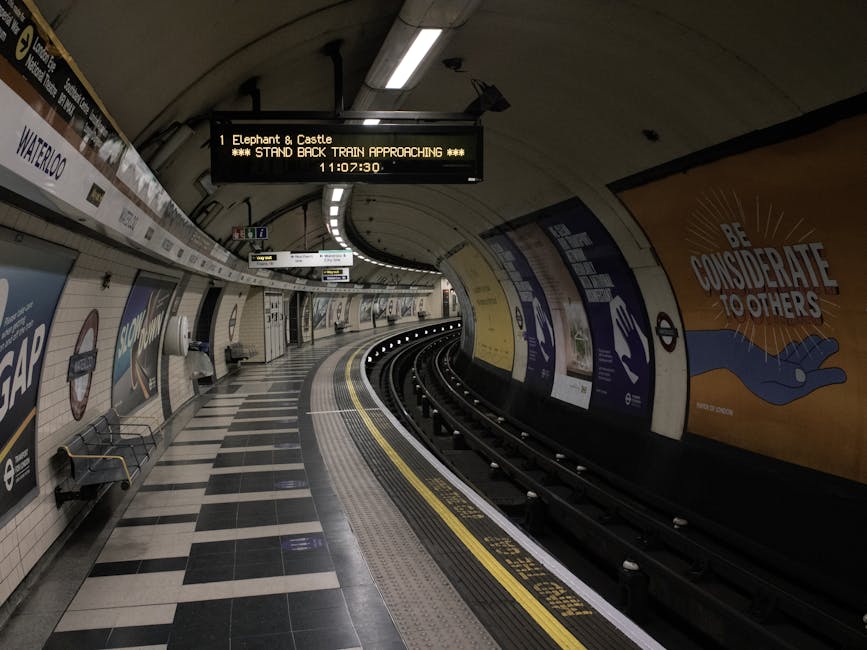
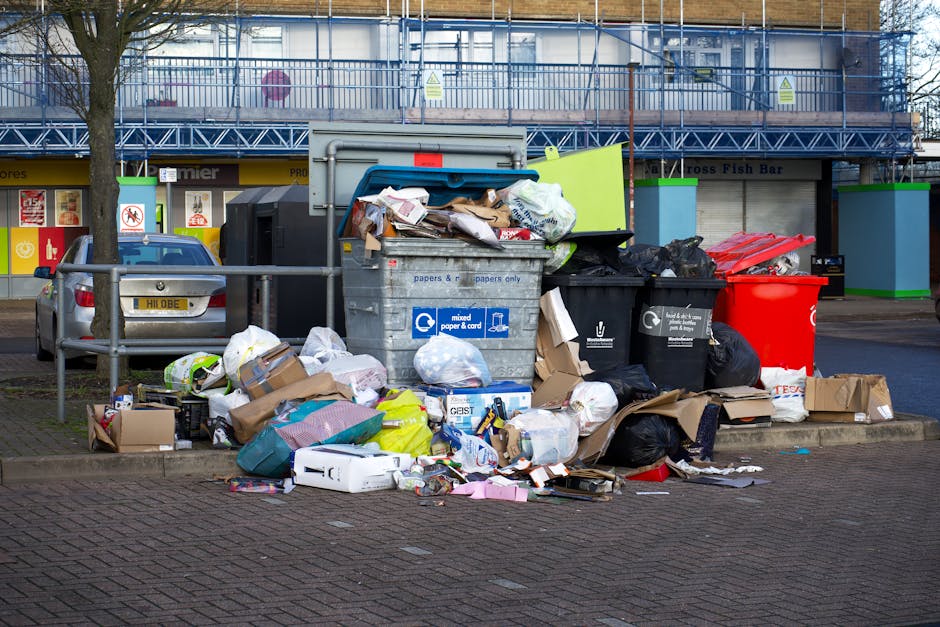
Rubbish removal near Elephant and Castle station guide
If you are trying to clear rubbish near Elephant and Castle station, you are probably dealing with one of those jobs that looks simple until you stand there and realise it is not. A broken wardrobe, builders' bags, a few bulky items after a flat move, or a full office clear-out can become awkward very quickly in central London. This Rubbish removal near Elephant and Castle station guide walks you through how the process works, what to expect, and how to choose a sensible option without wasting time or money.
Elephant and Castle is busy, tightly packed, and often a bit unpredictable around loading access. That means planning matters. A little more than people think, actually. In the sections below, you will find practical advice on service types, common pitfalls, compliance, and the steps that make the whole job easier on the day.
Table of Contents
- Why this guide matters
- How rubbish removal works near Elephant and Castle station
- Key benefits and practical advantages
- Who this is for and when it makes sense
- Step-by-step guidance
- Expert tips for better results
- Common mistakes to avoid
- Tools, resources and recommendations
- Law, compliance, standards, and best practice
- Options, methods, and comparison table
- Case study or real-world example
- Practical checklist
- Conclusion
- Frequently asked questions
Why Rubbish removal near Elephant and Castle station guide Matters
Rubbish removal in this part of London is not just about getting rid of unwanted items. It is about timing, access, safety, and avoiding disruption to neighbours, pedestrians, and businesses. Around Elephant and Castle station, there can be narrow pavements, busier-than-you-planned traffic, limited stopping space, and lots of people moving through the area at all hours. That changes the game a bit.
If you leave waste sitting around, even for a short time, it can become an eyesore, a hazard, and, in some cases, a nuisance for other people sharing the building or street. In flats and converted properties, communal hallways can fill up quickly with old furniture or bagged rubbish. In shops and offices, clutter can get in the way of staff and customers. And if you are managing builders' waste, the pressure builds fast.
There is also the trust factor. You want rubbish removed properly, not dumped somewhere else by someone who disappears after taking your cash. That is one of the reasons a structured guide matters. It helps you ask better questions, compare service types, and understand what a legitimate removal job should look like from start to finish.
Expert summary: In a busy station area like Elephant and Castle, successful rubbish removal usually comes down to three things: clear access, a realistic time slot, and a provider that handles waste responsibly rather than rushing the job.
How Rubbish removal near Elephant and Castle station guide Works
Most rubbish removal services follow a fairly simple pattern. You describe what needs to go, the provider estimates the load size or the type of waste, and a collection is arranged. On the day, the team arrives, removes the items, loads them safely, and takes them away for sorting, reuse, recycling, or disposal.
That is the simple version. The real-world version has a few moving parts. Are the items on the third floor without a lift? Do you need parking close by? Is the rubbish mixed, or does it include only one type of material? Does anything need dismantling first? These small details can affect the time, effort, and cost involved.
Near Elephant and Castle station, access is often the deciding factor. A team may need to plan around one-way routes, delivery restrictions, building entrances, or loading points. If you are in a flat, you may also need to think about lift availability, concierge rules, or neighbour access. None of this is dramatic, but it does matter.
For many customers, the most practical route is a service that can handle both household waste and larger specialist jobs. For example, if you are clearing out a rental flat, a provider offering flat clearance or home clearance may be a better fit than a basic one-off collection. If you are getting rid of bulky items, furniture disposal or furniture clearance can save a lot of hassle.
Key Benefits and Practical Advantages
Done well, rubbish removal saves time, reduces stress, and keeps your space usable. But there are a few benefits people tend to underestimate.
- Less physical strain: Heavy lifting sounds manageable until you are carrying a wardrobe down tight stairs. A team with the right equipment makes a noticeable difference.
- Faster turnaround: A scheduled collection can clear a room, hallway, or site in one visit. Handy when you are on a deadline.
- Cleaner finish: You are not left with a half-done pile that lingers for days. That alone is a relief.
- Better sorting outcomes: A proper waste removal provider should separate materials for recycling where possible rather than treating everything as the same thing.
- Reduced risk of damage: Squeezing a sofa through a tight communal entrance is a good way to scratch walls. Professionals know the awkward angles.
There is also a mental benefit. Truth be told, clutter can drag on you. You keep glancing at the spare room, the garage, or the office corner and thinking, "I will deal with that later." Getting it out of the way often feels like resetting the space. You notice the room breathe a bit again.
For larger or mixed loads, it can help to compare your options with waste removal or specific clearance services such as garage clearance, loft clearance, and office clearance. Matching the service to the job often gives you better value and less back-and-forth.
Who This Is For and When It Makes Sense
This guide is useful if you are a homeowner, tenant, landlord, letting agent, business owner, builder, or property manager around Elephant and Castle station. It is especially relevant if your waste is bulky, mixed, or too much for normal council collection bins.
Some common scenarios include:
- End-of-tenancy clear-outs where furniture, bags, and loose rubbish have built up
- After a refurbishment, when there is builders' waste left in a flat or shop
- Office moves where desks, chairs, and filing units need to go quickly
- Garage, loft, or storage clearance when years of clutter have stacked up
- Garden tidy-ups with branches, soil, pots, or broken outdoor items
- House clearance after a bereavement or before a property sale
If the job feels too large for you to do safely in one go, it probably is. That is a sensible rule of thumb. And if you are trying to keep a building tidy for tenants or visitors, it can make sense to use a service that can clear quickly and discreetly rather than stretching the job across several weekends.
For business premises, business waste removal is often the right route because commercial waste needs clearer planning and, in many cases, more regular collection. For construction debris, builders waste clearance is usually the more suitable option.
Step-by-Step Guidance
If you want the process to run smoothly, follow a simple plan. It does not need to be complicated. A bit of prep goes a long way.
- Sort the waste by type. Separate furniture, general rubbish, cardboard, garden cuttings, and construction debris where possible. Mixed loads can still be removed, but sorting helps with quoting and recycling.
- Identify any awkward items. Mattresses, wardrobes, white goods, and broken glass need extra care. Tell the provider about them upfront.
- Check access. Note stairs, lifts, parking restrictions, entry codes, and any building rules. Around the station area, this is not a minor detail.
- Take a quick inventory. A few photos can help with pricing and reduce surprises. No need for a full production, just enough to show the load.
- Request a quote. Use a page like pricing and quotes if you want a clearer idea of the likely cost structure before booking.
- Confirm the service scope. Make sure it covers lifting, loading, transport, and the kind of waste you need removed.
- Prepare the items. If possible, gather loose rubbish into one area. Disassemble simple items only if you can do it safely.
- Be present or reachable. On the day, a quick point of contact helps the team work efficiently, especially if access is tricky.
- Check the area afterwards. Make sure nothing has been left behind and that the space is tidy enough for the next stage of your plans.
A small note from experience: if you are clearing a flat near Elephant and Castle on a weekday morning, give yourself a little buffer. One delayed lift, one missing parking spot, and the whole rhythm changes. Happens all the time.
Expert Tips for Better Results
The best rubbish removal jobs are the ones that feel almost boring on the day. No confusion, no frantic moving things around at the last minute. Here is how to tilt things that way.
- Photograph the waste in natural daylight. Pictures taken in a dark hallway often make items look smaller or larger than they are. Morning light helps.
- Separate anything reusable. If a sofa, chair, or table can be passed on or reused, say so. It may change how it is handled.
- Ask about lifting and dismantling. Some items need partial breakdown before removal. Better to know in advance than to be improvising with a screwdriver.
- Be honest about volume. Underestimating the load is one of the quickest ways to create a price disagreement.
- Think about neighbours. If the job will involve noise or repeated trips through shared areas, a polite heads-up can prevent friction.
- Plan for mixed waste carefully. A load with furniture, bagged rubbish, and building debris is common, but it should still be described clearly.
If you are dealing with old wardrobes, beds, or awkward bulky items, furniture clearance can be more efficient than trying to bundle everything into a generic waste job. And if your clutter includes the garage, the loft, or an entire room, using a specialised service makes the process feel much less messy. Not glamorous, granted, but effective.
Small practical truth: the smoother the access, the less stressful the day. That is often the biggest difference between a quick job and a frustrating one.
Common Mistakes to Avoid
A lot of rubbish removal headaches come from the same handful of mistakes. The good news? They are easy to dodge once you know what to watch for.
- Leaving sorting until collection day: This slows everything down and can make the load harder to quote accurately.
- Forgetting access details: A collection team arriving without parking or entry information is nobody's idea of fun.
- Assuming every item is accepted: Some waste streams need special handling. If in doubt, ask before the booking is confirmed.
- Using a vague description like "a few bits": That phrase has caused more confusion than people like to admit.
- Ignoring safe lifting: A heavy item carried badly can lead to injury or damage. Do not wing it.
- Choosing on price alone: The cheapest option is not always the cleanest, quickest, or safest one.
One particularly common slip around busy transport hubs is underestimating how long loading will take. You may think a job is a quick ten-minute pickup. Then you hit stairs, a locked gate, or a lift that is, let's say, not in a helpful mood. A bit of realism goes a long way.
Tools, Resources and Recommendations
You do not need a shed full of equipment to prepare for rubbish removal. A few basic tools and good habits are usually enough.
- Strong bin bags or rubble sacks for loose rubbish and lighter mixed waste
- Gloves to protect hands from splinters, sharp edges, or general grime
- Mask or dust covering if you are sorting loft, garage, or old storage waste
- Tape measure for bulky items that need to fit through doors or lifts
- Screwdriver or Allen key for light dismantling, if safe and necessary
- Phone camera for photos that support a quote
From a service perspective, the most useful pages are often the ones that match your waste type. For example, house clearance suits larger domestic jobs, while home clearance can be a better all-round option for mixed household clutter. If the job is more garden-focused, use garden clearance.
You may also want to look at the company's approach to recycling and sustainability. A responsible provider should be able to explain, in plain English, what happens to the waste after collection. No need for marketing fluff. Just a straightforward answer.
Law, Compliance, Standards, and Best Practice
Waste removal in the UK is not something to treat casually. Even if you are only clearing a few items, the person taking the waste should be able to handle it responsibly and lawfully. As a customer, you do not need to know every technical detail, but you do want to avoid passing waste to someone who may not deal with it properly.
Good practice usually means:
- Knowing what type of waste you have before it is collected
- Using a provider that can explain how waste is handled after removal
- Avoiding fly-tipping risks by choosing a legitimate service
- Handling sharp, heavy, or hazardous items with care
- Being clear about mixed waste and any special items
For example, some items from a house or office clear-out may need extra care because of weight, contamination, or breakage risk. That is where services like insurance and safety and the company's health and safety policy become useful trust signals. They tell you the business takes the practical side seriously, not just the sale.
You may also want to understand the provider's business terms, including terms and conditions and how payments are handled through payment and security. It is not exciting reading, admittedly, but it helps avoid awkward misunderstandings later.
Options, Methods, and Comparison Table
There is no single right way to remove rubbish near Elephant and Castle station. The best method depends on volume, access, budget, and how quickly you need the space cleared.
| Option | Best for | Typical strengths | Possible drawbacks |
|---|---|---|---|
| Self-clearance | Small loads and easy access | Low direct cost, full control | Time-consuming, heavy lifting, disposal logistics |
| Man-and-van style collection | Bulky items, moderate loads | Fast, flexible, less lifting for you | May not suit large or mixed clearance jobs |
| Full clearance service | Flats, houses, offices, larger jobs | Efficient, hands-off, better for complex access | Usually higher cost than doing it yourself |
| Specialist waste service | Builders' waste, furniture, garden or office waste | More suitable handling and sorting | Needs clearer job description upfront |
If you are clearing one broken chair and a few black bags, self-clearance might be fine. If you are facing a full flat clear-out with stairs and a tight timetable, it is usually better to book a dedicated service. That is especially true in dense central locations where parking and access can complicate a simple job faster than you would expect.
For flat-based removals, many people find flat clearance the most practical route. For business premises, business waste removal is more appropriate. Different job, different logic.
Case Study or Real-World Example
Here is a realistic example. A tenant moving out of a third-floor flat near Elephant and Castle station has a bed frame, a mattress, two dining chairs, a small table, and several bags of mixed rubbish. The lift is working, but the building has a narrow entrance and limited waiting space outside.
The first instinct might be to try and tackle it with a friend and a car. Fair enough. But once the mattress meets the stairwell and the table catches on the landing wall, the job becomes slow and awkward. Worse, there is a risk of damage to the communal area, and the move-out deadline is suddenly looming.
In this sort of case, a planned collection is usually better. The resident sends photos, describes the access, confirms the lift situation, and books a time when the building is quieter. The collection team arrives, moves the items carefully, and clears the load in one go. Not magical. Just organised.
The key lesson is simple: the more complicated the access, the more value you get from a provider that understands local conditions. Near Elephant and Castle, that means thinking about the practicalities before the rubbish is even touched.
Practical Checklist
Use this checklist before booking rubbish removal near Elephant and Castle station.
- Identify exactly what needs removing
- Separate reusable items from waste where possible
- Take clear photos in good light
- Note stairs, lifts, parking, and entry restrictions
- Measure any oversized items if access is tight
- Confirm whether the waste includes furniture, builders' debris, or garden material
- Ask whether dismantling is included or needed
- Check the quote covers loading and transport
- Review the provider's policies and terms
- Prepare the area so items are easy to reach
- Make sure valuables and personal documents are removed first
- Keep your phone nearby on collection day in case the team needs directions or access help
Helpful reminder: the smoother you make the handover, the smoother the day usually goes. Simple, but true.
Conclusion
Rubbish removal near Elephant and Castle station does not need to be complicated, but it does need a bit of planning. The main things to get right are access, load type, timing, and choosing a service that fits the job rather than forcing the job to fit the service. Once those pieces are in place, the process becomes much easier.
Whether you are clearing a flat, disposing of furniture, emptying a loft, or managing business waste, the best outcome is a clean space and no lingering hassle. That is what most people want, really. Nothing fancy. Just a job done properly, on time, and without drama.
If you are ready to move forward, explore the service pages that match your waste type and make a plan that suits your building, your schedule, and your budget.
Get a free quote today and see how much you can save.
Frequently Asked Questions
What is the best rubbish removal option near Elephant and Castle station?
The best option depends on the size and type of waste. Small loads may suit a simple collection, while larger clearances are often better handled by a full removal or specialist clearance service.
Can rubbish removal include bulky furniture?
Yes, in many cases it can. Sofas, beds, wardrobes, tables, and chairs are commonly removed through furniture clearance or disposal services, provided access and item size are confirmed in advance.
How do I prepare for rubbish collection in a flat?
Gather the items in one place if possible, check lift and stair access, remove personal belongings, and tell the provider about any tight corners or restrictions. A few photos can help too.
Is builders' waste different from household rubbish?
Yes. Builders' waste often includes heavier, dustier, or sharper materials such as rubble, timber, plasterboard, and packaging. It usually needs a more suitable clearance approach.
Do I need to sort the waste before collection?
It is not always required, but sorting helps with quoting and recycling. Separating furniture, general rubbish, and garden waste usually makes the whole process smoother.
How long does rubbish removal usually take?
That depends on how much waste there is and how easy it is to access. A small job may be quick, while a full flat or office clearance can take longer, especially with stairs or limited parking.
What should I ask before booking a removal service?
Ask what the quote includes, whether lifting and loading are covered, how mixed waste is handled, whether they can manage access issues, and what happens to recyclable items after collection.
Can rubbish removal help after a tenancy ends?
Yes. End-of-tenancy clear-outs are very common, especially where furniture, bagged waste, or leftover belongings need removing quickly before handover.
Is it safe to move heavy waste myself?
Only if the items are manageable and you can lift them safely. Large, awkward, or broken items are better left to people with the right equipment and experience.
Why is access such a big deal near Elephant and Castle station?
Because the area is busy and space can be limited. Parking, loading, lift access, and building entry details can all affect how fast and easy a collection is on the day.
What happens to rubbish after collection?
That varies by provider and waste type, but a responsible service should sort items for reuse, recycling, or disposal where appropriate rather than treating everything as mixed rubbish.
How do I compare prices without getting confused?
Focus on what is included, not just the headline number. Check whether loading, transport, access challenges, and waste type are part of the quote so you can compare fairly.
If you would like to learn more about the company, its approach, and how it works behind the scenes, you can also review the about us page and the company's policies on recycling and sustainability and insurance and safety. Small details, but they matter.