Elephant and Castle shopping centre junk removal: a practical guide for fast, compliant clearances
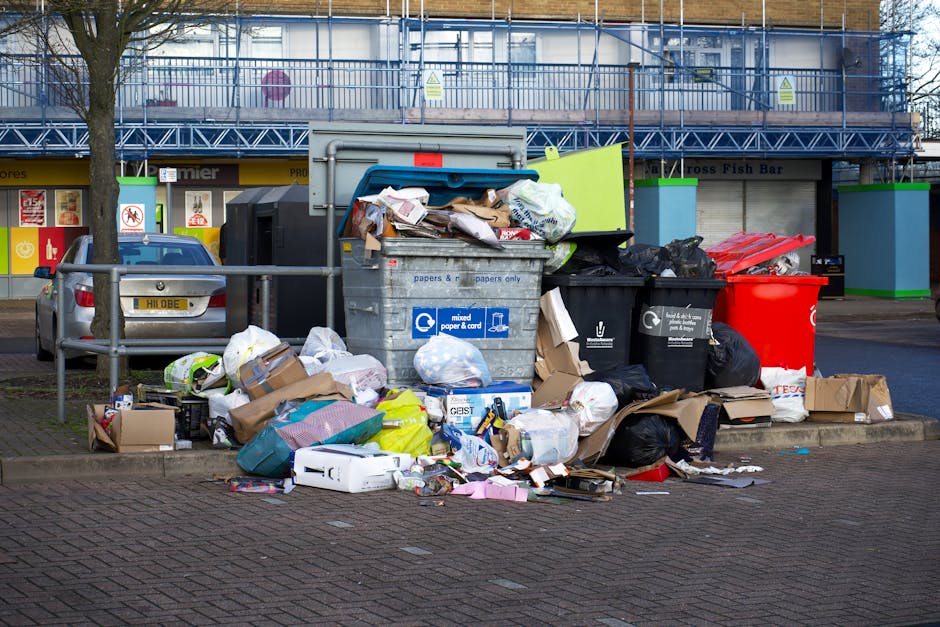
If you are dealing with Elephant and Castle shopping centre junk removal, you are probably not looking for theory. You want the clutter gone, the space made safe, and the job handled without fuss. That might mean old shop fittings, damaged stock, office junk, packaging waste, broken display units, or a mixed load that has built up faster than anyone planned. Truth be told, retail and commercial clear-outs can get messy quickly.
This guide breaks down how shopping centre junk removal works in Elephant and Castle, who it is for, what to expect, and how to avoid the usual headaches. It also covers sensible UK best practice, common mistakes, and the practical checks that help keep the process smooth from first enquiry to final sweep-up. If you need a broader service for mixed premises waste, you may also find our waste removal service overview useful, or if the job is business-led, the business waste removal page gives a good sense of how commercial collections are handled.
And yes, timing matters. In a busy shopping centre, even a small clearance can affect footfall, staff movement, and opening hours. So the real question is not only, "What needs removing?" It is also, "How do we remove it with the least disruption?"
Contents
- Why Elephant and Castle shopping centre junk removal Matters
- How Elephant and Castle shopping centre junk removal Works
- Key Benefits and Practical Advantages
- Who This Is For and When It Makes Sense
- Step-by-Step Guidance
- Expert Tips for Better Results
- Common Mistakes to Avoid
- Tools, Resources and Recommendations
- Law, Compliance, Standards, or Best Practice
- Options, Methods, or Comparison Table
- Case Study or Real-World Example
- Practical Checklist
- Conclusion
- Frequently Asked Questions
Why Elephant and Castle shopping centre junk removal Matters
Shopping centre junk removal is not just about tidying up. In a retail environment, clutter can affect safety, customer experience, and the speed at which your business gets back to normal. A pile of broken shelving in a back corridor, a stack of old promotional boards near a service door, or mixed junk left after a refit can get in the way of staff and delivery teams almost immediately.
In Elephant and Castle, where commercial spaces often sit within tighter access routes, shared loading areas, and busy transport-linked streets, the practical side of clearance matters even more. You usually need a team that can work efficiently, handle stairwells or service lifts carefully, and respect building rules. It sounds simple. It rarely is.
There is also the reputation side. Customers notice disorder. Staff notice it too. A clean, organised shop or kiosk feels more professional, and that can make a difference when you are reopening after a refit, preparing a unit for handover, or clearing out before a new tenant moves in.
For businesses managing fit-outs or refurbishment waste, the work often overlaps with other clearance needs. That is why some clients combine junk removal with builders waste clearance or more general office clearance when a site includes stockrooms, admin space, or back-office areas.
Expert summary: the best shopping centre clearances are planned around access, safety, and turnaround time. Fast is good. Controlled is better.
How Elephant and Castle shopping centre junk removal Works
Most shopping centre junk removal jobs follow a fairly predictable pattern, although the details change depending on the site and the type of waste. A small kiosk clearance looks very different from a full retail unit strip-out. Still, the same broad stages apply.
1. Site review and item list
The first step is usually a quick review of what needs to go. This can be done from photos, a walkthrough, or a rough list. It helps to separate general junk from items that may need specialist handling, such as electricals, sharp materials, or bulky fixed fittings. If you are unsure whether something counts as junk, take the conservative route and mention it. Better to over-include than to be caught out on the day.
2. Access planning
Shopping centres and mixed-use retail buildings often have rules about loading bays, lift use, and collection times. A good clearance plan considers where the team will park, how long loading will take, and whether the route passes through public areas. This is where a tiny bit of planning saves a lot of awkwardness later.
3. Sorting and loading
Items are then separated into what can be lifted, what needs dismantling, and what may require more careful handling. In practice, this stage can include stacking loose junk safely, removing broken furniture, bagging smaller waste, and moving heavier items without blocking corridors. If the waste includes old shop furniture, the work may overlap with furniture clearance or furniture disposal, depending on whether items can be reused, recycled, or must go for disposal.
4. Transport and disposal
The collected load is taken away for onward processing. Responsible operators aim to divert as much as possible from landfill, with recycling and reuse where practical. For mixed commercial waste, separation matters. Cardboard, metal, timber, and reusable fixtures should not all be treated the same way if they can be sorted properly.
5. Final tidy-up
A good clearance does not end when the last item leaves. A quick sweep, check for nails or fragments, and a look at corners and service routes can save everyone a headache. It is one of those small things people only appreciate after a missed screw finds a shoe sole, which, to be fair, happens more often than anyone likes to admit.
Key Benefits and Practical Advantages
The value of shopping centre junk removal is partly obvious and partly easy to underestimate. The obvious bit is space. The less obvious bit is momentum. Once clutter is gone, teams can work faster, contracts can close, and the site can move on.
- Less disruption to trading: a well-planned clearance keeps routes open and avoids messy, stop-start work during busy periods.
- Improved health and safety: fewer trip hazards, fewer sharp edges, and less blocked access for staff or customers.
- Better presentation: empty or tidy units are easier to inspect, hand over, or prepare for reopening.
- More efficient use of time: trained removal teams often finish faster than ad hoc staff clearances.
- Better waste handling: proper sorting supports recycling, reuse, and compliant disposal.
- Reduced stress: when a clearance is organised well, the whole job feels lighter. Not glamorous, but real.
There is also a practical commercial benefit. A clean handover can help avoid delays with landlords, fit-out contractors, or incoming occupiers. If you are clearing a unit after a closure or refurb, that matters more than people sometimes realise. A few hours saved at the back end can be worth a lot at the front end.
Who This Is For and When It Makes Sense
This type of junk removal is usually relevant for retail tenants, landlords, managing agents, shopfitters, facilities teams, and business owners operating within or around the shopping centre. It also comes up when a unit changes hands, a lease ends, stock is refreshed, or a store needs to clear damaged materials after a fit-out.
Common situations include:
- closing or refurbishing a retail unit
- removing old shelving, counters, mannequins, or displays
- clearing back-of-house junk and packaging waste
- disposing of broken furniture or office items from a shared site
- preparing a unit for inspection or handover
- sorting waste after a delivery build-up or seasonal changeover
For some businesses, the job is broader than a simple junk pickup. A shop with an upstairs office, stockroom, or staff area may need a mix of services, including flat clearance for mixed contents, or home clearance when premises include residential-style spaces or live-work arrangements. That crossover is more common than you might think.
It makes sense to book professional help when the volume is too big for normal bins, when the items are bulky, when timing is tight, or when access is awkward. If the job would take your staff half a day, a day, or more, it is usually worth asking for a proper collection plan.
Step-by-Step Guidance
If you want the process to go smoothly, a bit of preparation goes a long way. Here is a sensible step-by-step approach that works well in real-life commercial settings.
- Walk the site. Identify all items to be removed, including anything hidden in corners, cupboards, under counters, or behind display units.
- Separate what stays from what goes. Label items that must remain on site. This sounds basic, but it prevents mistakes when the team starts loading.
- Check access points. Confirm lift use, loading bay timings, security requirements, and any restrictions on working hours.
- Flag special items early. Highlight electrical equipment, sharp waste, heavy fittings, or anything that may need extra care.
- Ask about disposal routes. If recycling is important to your business, make sure the provider can explain how reusable or recyclable material will be handled.
- Prepare the area. Move staff belongings, clear walkways where possible, and keep customers away from active loading zones.
- Confirm the finish point. Decide whether you want a sweep-up only or a fuller tidy after removal.
Small detail, big difference. If the site is busy at 9am but quiet at 7am, schedule accordingly. If the lift is slow, build that into the plan. The cleanest removals are the ones that respect the building's rhythm.
Expert Tips for Better Results
Over time, a few patterns become clear. The best clearances are usually the ones with simple communication, realistic timing, and no surprises on the day.
- Take photos in natural light. It helps the team understand the volume and type of waste before they arrive.
- Group similar items together. Keep timber with timber, cardboard with cardboard, and loose junk in one zone if possible.
- Be honest about access. A narrow route, stairs, or a shared loading bay can change the schedule. That is fine. Just say so.
- Ask what happens to reusable items. Reuse and recycling are often better than disposal where suitable.
- Keep a contact person available. Someone on site who can answer quick questions saves time.
- Plan for dust and debris. Old fittings, broken panels, and packaging waste can leave more mess than expected.
If you are managing a refurbishment, it can also help to align junk removal with other jobs. For example, a fit-out may create mixed debris that belongs in builders waste clearance, while leftover storage items might fit better into garage clearance-style handling if they are bulky and awkward rather than construction heavy. The labels matter less than the actual material mix, but a clear description still helps.
And one more thing: if you are on a tight deadline, do not leave waste sorting until the final hour. That is how a neat job turns into a scramble. We have all seen it happen.
Common Mistakes to Avoid
A lot of avoidable problems come from assuming all junk removal is the same. In a shopping centre, it really is not.
- Leaving access planning too late. The lift, loading bay, and security process can slow everything down if nobody checks them first.
- Mixing keep and remove piles. Once items are stacked together, mistakes happen.
- Forgetting special waste. Electrical items, broken glass, and heavy fittings need extra attention.
- Underestimating volume. A handful of items in person can look far bigger once they are gathered together.
- Ignoring building rules. Centre management may have timing or route requirements that need to be followed.
- Assuming disposal is automatic. Responsible handling, sorting, and documentation all matter.
One subtle mistake is not checking how the job will finish. You might remove the waste, but if the space is left dirty or full of tiny debris, the site still does not feel ready. That last 10% matters. More than it should, maybe, but it does.
Tools, Resources and Recommendations
You do not need a complicated toolkit to get ready for junk removal, but a few simple resources help a lot.
| Tool or resource | Why it helps | Best use |
|---|---|---|
| Camera phone | Lets you send clear photos of the waste and access points | Before booking and before arrival |
| Labels or tape | Helps mark items to keep | Mixed units, stockrooms, shared spaces |
| Gloves and basic PPE | Useful for safe sorting of light items | Minor prep only, not heavy lifting |
| Bagging supplies | Makes loose waste easier to manage | Packaging, small general junk, soft waste |
| Access notes | Reduces delays on the day | Loading bays, lifts, security, timing rules |
If you are dealing with a broader property clear-out, other service pages can help you think through the job in practical terms. For instance, house clearance is useful when the contents are broad and mixed, while loft clearance is more relevant for awkward, tucked-away storage that needs careful handling. Those pages are not shopping-centre-specific, but the same logic often applies.
For service planning, it is also worth checking pricing and quotes so you know what information is needed for an accurate estimate. And if you care about how waste is handled after collection, the company's recycling and sustainability approach is worth reviewing too.
Law, Compliance, Standards, or Best Practice
Any commercial junk removal job should be handled with sensible care and compliant waste practices. In the UK, businesses have duties around proper waste transfer, safe handling, and keeping waste out of the wrong channels. You do not need to memorise the rules to get the job done well, but you do need to work with a provider that treats those responsibilities seriously.
In plain English, that means:
- the waste should be handled by people who understand commercial collection standards
- potentially hazardous or awkward items should be identified before removal
- loads should be sorted where possible, rather than lumped together without thought
- the collection process should fit the site's safety requirements and access rules
- any business-facing paperwork or disposal process should be clear and traceable enough for normal commercial records
Health and safety matters too. Shopping centre environments often include members of the public, staff, contractors, and security teams moving through the same space. That means careful lifting, sensible route planning, and clear communication. If a provider has a strong health and safety policy and proper insurance and safety information available, that is a reassuring sign. Not flashy, just reassuring.
It is also worth checking the provider's terms and conditions so you understand what is included, what happens if access changes, and how pricing is calculated. If you have questions about privacy when sharing photos or site details, the privacy policy should explain how information is used. And if you want to know who is actually behind the service, the about us page helps build that picture.
One practical note: if a clearance involves sharp debris, broken fixtures, or large items near public routes, extra caution is not overkill. It is common sense.
Options, Methods, or Comparison Table
There are several ways to deal with shopping centre junk, and the right one depends on volume, access, time, and who is responsible for the space. Here is a simple comparison.
| Method | Best for | Pros | Trade-offs |
|---|---|---|---|
| In-house staff removal | Very small, light clearances | Low direct cost, simple for one-off items | Takes staff away from normal work, can be slow and risky |
| Scheduled commercial clearance | Mixed junk, bulky items, managed sites | Efficient, safer, better for access planning | Needs booking and site coordination |
| One-off strip-out support | Refits and unit changes | Good for larger volumes and faster turnaround | May need clearer scoping and timing |
| Ongoing business waste collection | Regular waste streams | Predictable, convenient, easier to budget | Less suitable for bulky one-time clearances |
For a unit with a large amount of repeat waste, an ongoing arrangement may make sense. For a closing shop full of mixed items, a one-off clearance is usually the better choice. If you are not sure which route fits, ask for a clear breakdown rather than guessing. That little pause can save both time and money.
Case Study or Real-World Example
Imagine a retail unit in or near Elephant and Castle that is being prepared for a new tenant. The space has old display plinths, damaged shelving, cardboard, a few broken chairs, and several bags of backroom clutter. Nothing especially unusual. But the access window is short, the lift is shared, and the landlord wants the unit cleared before a morning inspection.
The sensible approach is to walk the unit first, separate reusable furniture from junk, and identify any awkward items that need dismantling. The waste is then loaded in a planned sequence so the public corridor stays clear. The team works during a quieter building period, keeps the route tidy, and finishes with a sweep-up so the incoming inspection can happen without drama.
That is the kind of job where planning beats speed for speed's sake. Could it have been done faster without preparation? Probably. Would it have gone smoother? Not likely.
This is also where services often overlap. Leftover furniture might be handled through furniture clearance, while mixed backroom junk may sit better under broader home clearance-style handling if the unit includes staff living space or domestic-style contents. The exact label matters less than making sure the right stuff goes in the right place.
Practical Checklist
Use this before booking and again on the day.
- Have you listed all items to be removed?
- Have you separated keep items from junk?
- Do you know the access route, lift use, and loading rules?
- Have you flagged heavy, sharp, or awkward items?
- Are there any items that may need extra care or special handling?
- Have you confirmed the time window for collection?
- Do you know whether a sweep-up is included or needed?
- Have you shared clear photos if requested?
- Are staff, security, or site management aware of the collection?
- Have you checked the provider's insurance, safety, and pricing information?
If you can tick most of those off, the job is usually in good shape. If a few boxes are still open, that is fine. Just do not leave them until the lorry is outside. That part gets stressful very quickly.
Conclusion
Elephant and Castle shopping centre junk removal is really about keeping busy commercial spaces safe, workable, and ready for the next stage. Whether you are clearing a retail unit, preparing for a handover, or removing a mixed load after a refit, the best results come from planning, clear communication, and careful disposal. Simple idea. Not always simple in practice.
When the job is handled well, the whole site feels calmer. Staff move easier, customers see a cleaner space, and the pressure drops a little. That is worth a lot, especially in a busy London setting where timing and access can be tight. If you are comparing options, start with the type of waste, the access constraints, and the level of turnaround you need. Then choose the approach that keeps things safe and tidy without creating extra work for anyone.
Get a free quote today and see how much you can save.
If you are ready to talk through a shopping centre or commercial clearance in more detail, the best next step is to review the service options, gather a few photos, and make contact with clear information. A good start makes the rest feel far less daunting. And honestly, that is half the battle.
Frequently Asked Questions
What counts as shopping centre junk removal in Elephant and Castle?
It usually includes bulky or mixed waste from a retail unit, kiosk, stockroom, or back-of-house area. That can mean broken fittings, packaging, old furniture, display materials, and general clutter that is too much for normal bins.
Can you clear a unit during limited access hours?
Often yes, provided the building rules, loading arrangements, and timing window are agreed in advance. In shopping centres, access planning is just as important as the removal itself.
Do I need to sort everything before the team arrives?
Not always, but it helps to separate keep items from remove items. If you can group similar materials together, the job tends to run faster and with fewer mistakes.
What happens to furniture and fittings after removal?
It depends on condition and material type. Some items may be suitable for reuse or recycling, while others go through disposal routes. If you have a lot of furnishings, a specialist furniture disposal approach may be the cleanest fit.
How do I know if I need office clearance instead?
If the waste is mostly desks, chairs, paperwork, IT items, or back-office contents, then office clearance may be more relevant than a general junk pickup.
Is shopping centre junk removal suitable for refurbishment waste?
Yes, as long as the provider is briefed on the material mix. Light construction debris, packaging, and fixture waste may fall under builders waste clearance, while other mixed items may need a broader waste removal plan.
How far in advance should I book?
For routine jobs, a short lead time may be enough. For unit handovers, refits, or access-sensitive jobs, book as early as you can. The more people and rules involved, the earlier you should plan.
Will the area be left tidy afterwards?
A good clearance should include a reasonable tidy-up, though the exact finish depends on what was agreed. If you need a deeper clean after waste removal, make that clear at the start.
What if I am not sure what can be removed?
List the items and ask for guidance. It is usually easier to clarify in advance than to make assumptions on the day. Photos help a lot here.
Are there compliance issues I should worry about?
For commercial waste, yes, there are sensible compliance and safety expectations. That is why it is worth checking health and safety policy, insurance and safety, and terms and conditions before you book.
How do I compare prices fairly?
Compare like for like: access, volume, labour, timing, and disposal method. The cheapest quote is not always the best if it leaves out the hard bits. Reviewing pricing and quotes information first can make comparisons much easier.
Can a clearance be arranged for multiple service areas at once?
Yes, many jobs combine mixed contents from retail, storage, and office-type spaces. If the site includes business operations, the broader business waste removal service may be the most practical starting point.